A Cow Print Design for Real Embroidery Projects
When you download an embroidery design, you’re not just getting a file. You’re investing in a potential product, a gift, or a piece of your brand’s identity. The Cow Print Libbey Glass 16oz SVG landed in my library with a specific mission: to be evaluated not as a graphic, but as a stitchable asset. My immediate thought was, “How will this translate from screen to fabric?” Let’s walk through that.
The Immediate Mood & Visual Personality
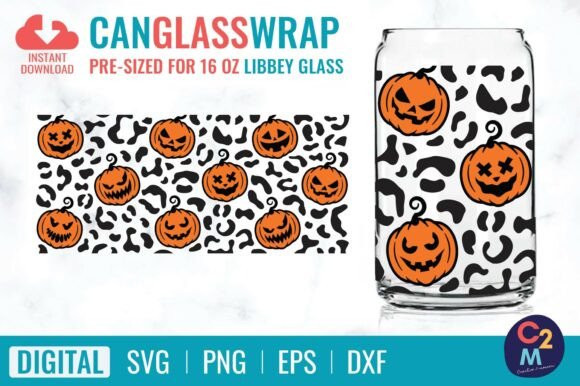
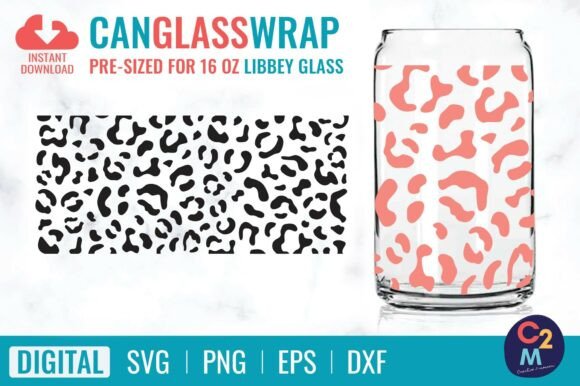
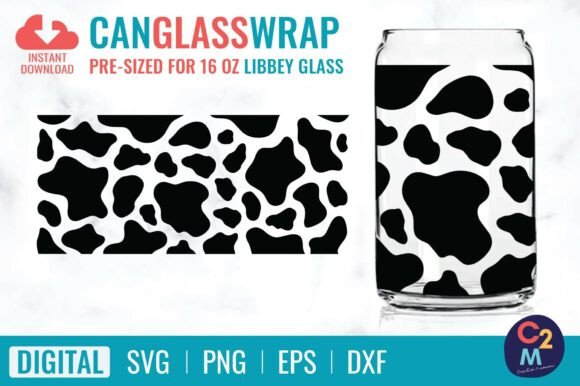
Opening the Cow Print Libbey Glass 16oz SVG, the first impression is playful, rustic, and undeniably cheerful. The shape is clean—a simple tumbler outline—framing a loose, illustrative cow print pattern inside. This isn’t a hyper-realistic animal portrait; it’s a thematic, almost cartoonish pattern that feels lighthearted. The layout is straightforward: the graphic sits neatly within the tumbler silhouette, making it a contained, focal-point design. For an embroidery designer, this signals a project that’s about fun and personality, not fine art detail. It naturally belongs to projects for kids, farm-themed decor, casual gifts, or quirky apparel for someone with a sense of humor.
Where This Design Shines in Real Projects
I pictured a specific scenario: a client requests a custom baby blanket for a nursery with a farm animal theme. The Cow Print Libbey Glass 16oz SVG isn’t a standalone cow, but a patterned object. That changes its application. Here’s where I’d confidently use it.
On a tote bag or apron, this design becomes a bold, graphic statement. The tumbler shape adds a context—it’s not just a random pattern; it’s a “cow print cup.” That subtle narrative can increase perceived value. For a sweatshirt or t-shirt, especially for a child or a fun-loving adult, it works as a central chest or sleeve motif. As an embroidered patch, it would be fantastic—the clear border of the tumbler makes for a perfect patch shape.
In small business merchandise, say for a boutique selling handmade kitchen goods, this on a tea towel or pillow cover adds a cohesive, themed touch. For holiday gifts or personalized products, think of it on a baby onesie for a “little farmer” or on a cap for a coffee lover with a quirky style. It’s also a strong candidate for craft fair products—it’s instantly recognizable, friendly, and doesn’t require explanation.
Visual Appeal and Customer Reaction
Stitched out, the success of this Cow Print Libbey Glass 16oz SVG hinges on stitch clarity. The irregular spots of the cow print need clean edges—likely done with a satin stitch or a tight fill stitch for the solid areas. On a light fabric with contrasting thread, it will pop and feel vibrant. On a dark fabric, you’d need to plan your thread colors carefully; the white/light parts of the print would become the focal point. This design boosts product value by being a complete, themed graphic; it tells a mini-story. That increases giftability and buyer engagement—it’s more memorable than a generic shape.
Careful Application: Where to Proceed with Caution
Not every design is universally applicable. Here’s my practical judgment on limitations.
The tumbler outline has curves and a handle. On a highly curved surface like a cap, that handle detail might get lost or distort if not hooped perfectly. For small hoop sizes, the entire design must scale down, and the cow print pattern’s details could become too dense, leading to potential stitch density issues that might pucker thin fabric.
On textured fabrics like some blankets, the irregular print might lose definition if the texture is too pronounced. Using a proper stabilizer is non-negotiable here. Also, because it’s a contained graphic with a border, placing it on layered garments like a jacket collar requires precise positioning so it doesn’t get bisected by a seam.
For products needing frequent washing, like kitchen towels or baby clothes, a design with large filled areas holds up well, but you must ensure your thread and stitch quality are durable to maintain that handmade presentation over time.
Practical Designer Notes Before You Stitch
Before you commit this to a client project or your shop inventory, do this groundwork.
- Test on scrap fabric first. Use the same material you intend for the final product. Observe how the cow print pattern stitches out—are the spots distinct?
- Check thread color contrast. Run a black and white mockup to see the value contrast. Does it hold its form without color?
- Review the design on both light and dark fabric backgrounds in your software. Plan your thread palette accordingly.
- Confirm your hoop size can accommodate the design at your desired scale. Remember, scaling can affect stitch density.
- Inspect the small details, like the tumbler’s handle corners. Will your machine and chosen stabilizer handle those turns cleanly?
- Since this is a digital file provided in multiple formats like SVG and PNG, check the licensing before selling finished items. The description states it’s a digital download, but always verify if it’s cleared for commercial embroidery and small shop product sales. Never assume.
- For Etsy listings or printable mockups, the high-resolution files are a boon for creating professional previews, which builds customer trust.
The Final Take: A Design with Purpose
The Cow Print Libbey Glass 16oz SVG is more than a Tumbler Wraps graphic. For an embroidery designer, it’s a versatile, mood-setting asset. It won’t fit every project—it’s decidedly casual and playful—but where it fits, it excels. It can elevate a simple custom apparel piece into a themed gift, add consistency to a farm-themed craft business line, and create instant recognition on a embroidered patch.
Your job is to match its personality to the right product. With careful testing and clear licensing, this design can become a reliable, engaging part of your embroidery project repertoire, helping you create finished products that feel thoughtful, professional, and full of character.