A Designer’s Take on the Pumpkin Leopard Embroidery Design
Every so often, a design catches my eye not just for its aesthetic, but for its potential in real-world stitching. The Pumpkin Leopard design, packaged as a versatile graphics bundle, is one such file. As someone who regularly evaluates embroidery designs for client projects and my own small business stock, my first question is always: how will this translate from screen to stitches?
The First Impression: A Bold, Playful Statement
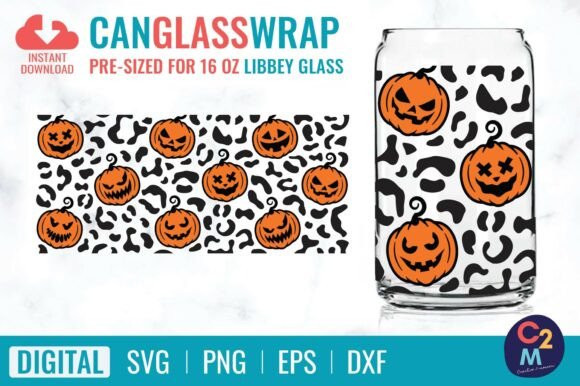
This design immediately strikes me with its confident, whimsical personality. The fusion of a classic leopard print pattern with a pumpkin shape creates something uniquely bold and playful. It’s not overly delicate; it has a graphic, almost illustrative quality. This suggests it’s a design meant to be seen, to make a statement. The mood is fun, slightly quirky, and undeniably eye-catching. For embroidery, this translates into a project that wants to be the focal point, not a subtle accent. It naturally belongs on items where you want the design to be the hero: a standout tote bag, a statement sweatshirt, or a playful pillow cover in a boutique.
Where This Design Shines in Real Projects
I envision this Pumpkin Leopard design performing beautifully on substantial, stable surfaces. Think of a custom embroidered tote bag for a fall market—the graphic nature would pop beautifully against the canvas. On a heavyweight sweatshirt, it could become a beloved seasonal piece. As an applique design on a baby blanket or nursery pillow, it offers a modern twist on autumn themes without being too traditional. Its clear, defined shapes also make it a strong candidate for a decorative patch, which could then be applied to aprons, caps, or tea towels for a cohesive boutique look.
For small business owners and Etsy sellers, this kind of design holds value beyond a single project. Its unique character can help define a brand’s playful autumn collection. Used in printable mockups for digital product previews, it instantly communicates a handmade, custom feel that engages potential buyers. As a personalized gift—like a child’s named sweatshirt with this design—it feels special and thoughtfully curated, which enhances its giftability and perceived value.
A Note on Stitching Clarity and Presentation
The success of any embroidery file hinges on stitching clarity. Here, the defined shapes and likely contrast between the leopard print “fill” and the pumpkin outline are advantageous. With careful thread color selection—perhaps a golden or taupe thread for the leopard texture against a richer orange or even black for the outline—the design should stitch out with good definition. This clarity directly impacts customer trust and the professionalism of the finished product. A crisp, well-executed embroidered version of this design on a handmade product signals quality and care.
Considerations for a Smooth Embroidery Process
While the design’s graphic strength is a plus, it demands some practical forethought from the embroidery designer. The detail within the leopard print pattern suggests areas of stitch density that need to be managed. On thinner or stretchy fabrics, like certain t-shirt materials, a robust stabilizer strategy will be essential to prevent puckering. Similarly, embroidering on curved surfaces like caps requires testing to ensure the design’s broader shape adapts well to the contour without distortion.
Small hoop sizes might be a challenge if the design is intended to be stitched at a large scale; it’s a design that benefits from some space to breathe. Always test on scrap fabric first, ideally on both a light and dark background if you plan to offer it on various apparel. This reveals how the stitch colors interact with the base fabric and ensures the visual appeal remains high across your product line. For dark fabrics, you might consider a slightly lighter or bolder thread palette for the leopard fill to maintain contrast.
Practical Designer Notes Before You Stitch
My standard advice applies strongly here: test, test, test. Run a sample on your intended fabric type. Review the stitch density in the detailed areas to ensure your machine handles it smoothly without thread breaks. Confirm the hoop size needed for your desired finished size. Pay close attention to any small corners or tight curves in the design’s outline—these are often where satin stitches or fill stitches need extra attention.
Since this is a digital download containing multiple file types like SVG and DXF, it’s crucial to check the compatibility with your specific embroidery software or machine before committing to a large project. Furthermore, as you’re considering this for commercial embroidery projects or selling finished items, always verify the licensing terms provided with the download. Understanding whether you can use it for personal gifts, small shop merchandise, or broader commercial use is a fundamental step for any creative entrepreneur.
The Final Stitch: A Design with Personality and Purpose
The Pumpkin Leopard embroidery design brings a distinct personality to the table. It’s not a generic fall graphic; it’s a conversation starter. When stitched well on appropriate products, it elevates the handmade presentation and can become a signature piece for a season. For crafters and apparel decorators looking to add a bold, playful option to their autumn offerings, this design has clear potential. Approach it with practical preparation—mindful of fabric choice, stabilizer use, and color contrast—and it will reward you with a finished product that stands out in a crowd, whether that crowd is at a craft fair or on your Etsy shelf.